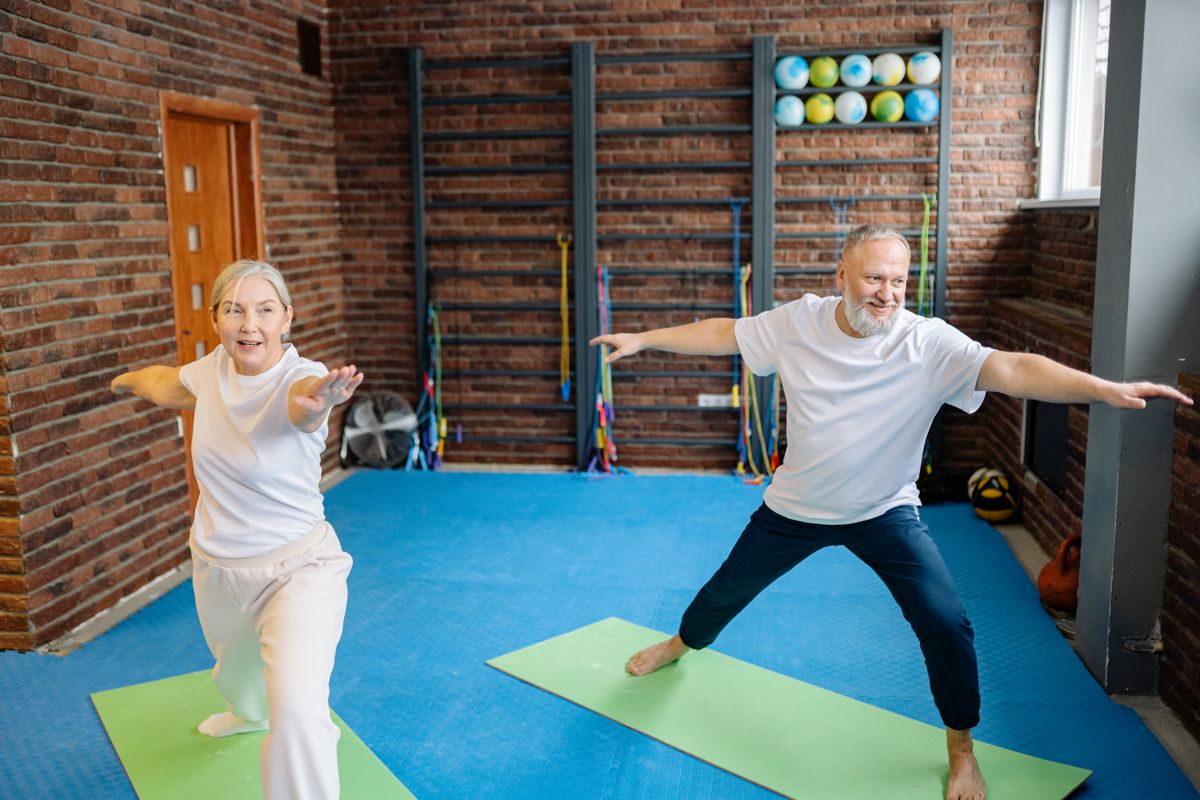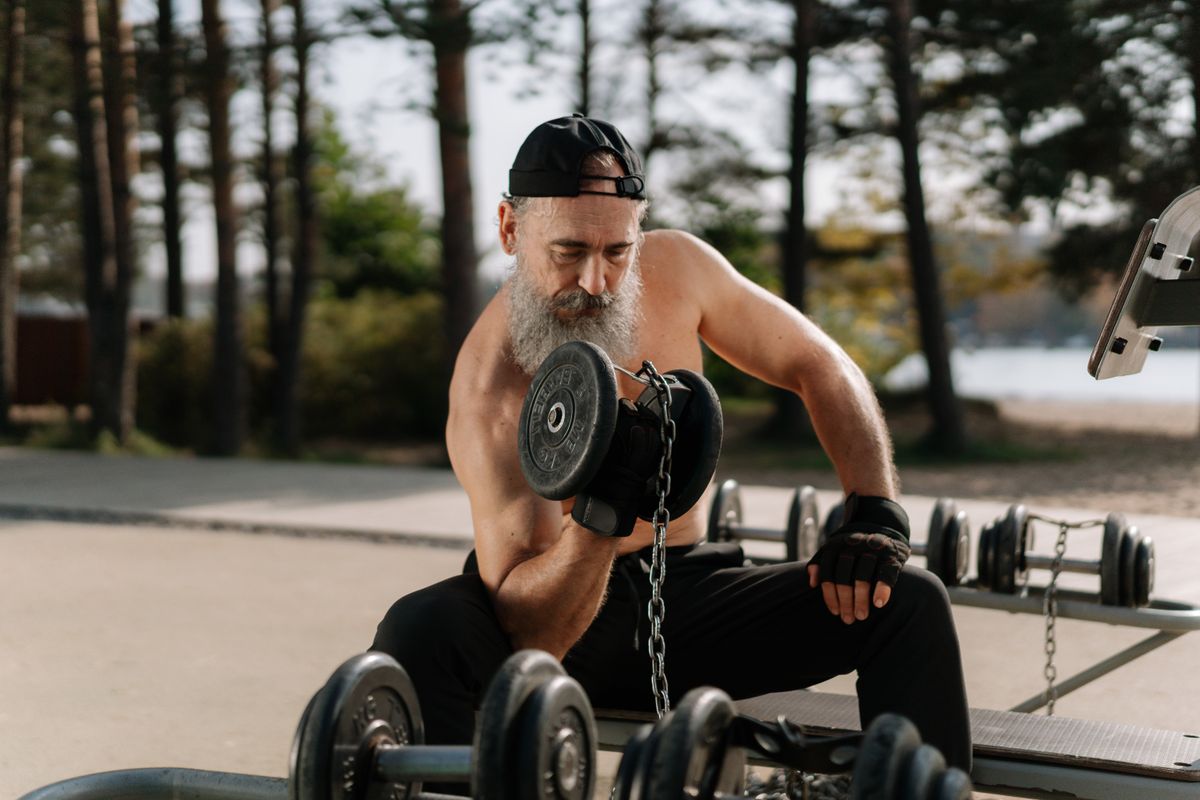
Standing Low-Impact
Standing March Tall
A five-minute upright march that warms you up for anything the day holds.
5 minStandingBuilding up
Fifteen minutes of continuous, low-impact standing movement with no jumping at all.
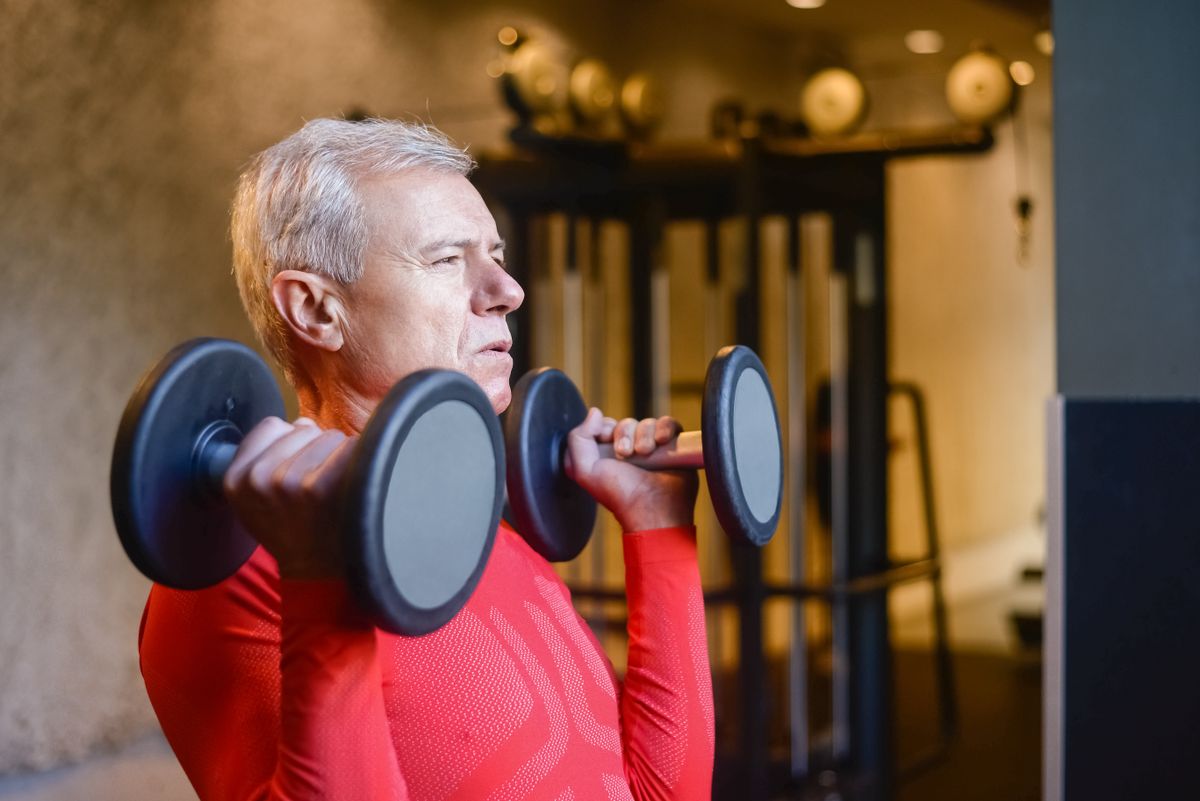
Start guided session
7 steps · about 15 minutes. You can pause at any time, and every step shows a gentler alternative.
Three reasons this session is worth your ten minutes, and what you should notice changing over the first few weeks.
Read our full safety guidelines if this is your first week of exercise, or if anything here feels unclear.
Step by step
March in place with fingertips near the counter for two minutes, gradually lifting the knees a little higher.
Modify this move
Hold the counter with one hand throughout.
Step to the side with one foot, touch, and bring it back. Alternate sides with a light arm swing. Two minutes.
Modify this move
Reduce the size of the step.
Lift one knee while reaching both arms overhead, then swap sides. Two minutes.
Modify this move
Reach to shoulder height instead of overhead.
Tap one foot forward, then the same foot back, then swap. Keep your weight centred over the standing leg. Two minutes.
Modify this move
Hold the counter and tap only a short distance.
Rise onto your toes and lower slowly, twenty times. Use the counter for balance. This works your calves and ankles.
Modify this move
Rise only halfway.
Combine your favourite moves for three minutes, changing every thirty seconds or so. Keep moving steadily.
Modify this move
Repeat just the two moves you like most.
March slowly for one minute, then stand still and take ten slow breaths. Drink some water.
Modify this move
Sit and rest for as long as you like.
Keep going
Standing Low-Impact
A five-minute upright march that warms you up for anything the day holds.
Standing Low-Impact
Fifteen minutes of progressive chair rises to build serious leg strength.
Standing Low-Impact
Twenty minutes of upper-body and leg strength using nothing but a wall.
Reviewed by Dana Whitfield, PT, DPT — licensed physical therapist specialising in older-adult rehabilitation.